%20(1)_result.webp)
Modern Custom Home Trends in Virginia: What Builders and Developers Need to Know
- Matthew R. Jones

- Feb 2
- 3 min read
Building a custom home in Virginia means staying ahead of the curve. The market demands homes that blend style, function, and sustainability. I’ve seen firsthand how these elements shape the latest projects. This post breaks down the top modern custom home trends in Virginia. It offers practical insights for builders, developers, and clients aiming for high-end residential success.
Embracing Sustainable Materials and Energy Efficiency
Sustainability is no longer optional. It’s a core expectation in modern custom homes. Virginia’s climate and regulations push builders to adopt eco-friendly materials and energy-saving technologies.
High-performance insulation: Spray foam and rigid foam boards reduce energy loss.
Energy-efficient windows: Triple-pane glass with low-E coatings improve thermal performance.
Renewable energy systems: Solar panels and geothermal heating are increasingly common.
Sustainable wood products: FSC-certified lumber and reclaimed wood add character and reduce environmental impact.
Incorporating these materials not only cuts utility costs but also appeals to environmentally conscious buyers. Builders should prioritize sourcing local materials to reduce carbon footprint and support Virginia’s economy.

Modern Custom Home Trends in Interior Design
Interiors are shifting toward open, flexible spaces that maximize natural light and functionality. Here are key trends shaping Virginia’s custom homes:
Open floor plans: Combining kitchen, dining, and living areas creates a spacious feel.
Multipurpose rooms: Home offices, gyms, or media rooms adapt to changing needs.
Natural light: Large windows and skylights brighten interiors and connect with the outdoors.
Minimalist finishes: Clean lines, neutral palettes, and natural textures dominate.
Smart home integration: Automated lighting, climate control, and security systems enhance convenience.
These trends reflect a lifestyle that values comfort, efficiency, and technology. Builders should collaborate closely with clients to tailor interiors that fit their routines and tastes.
Outdoor Living Spaces Gain Priority
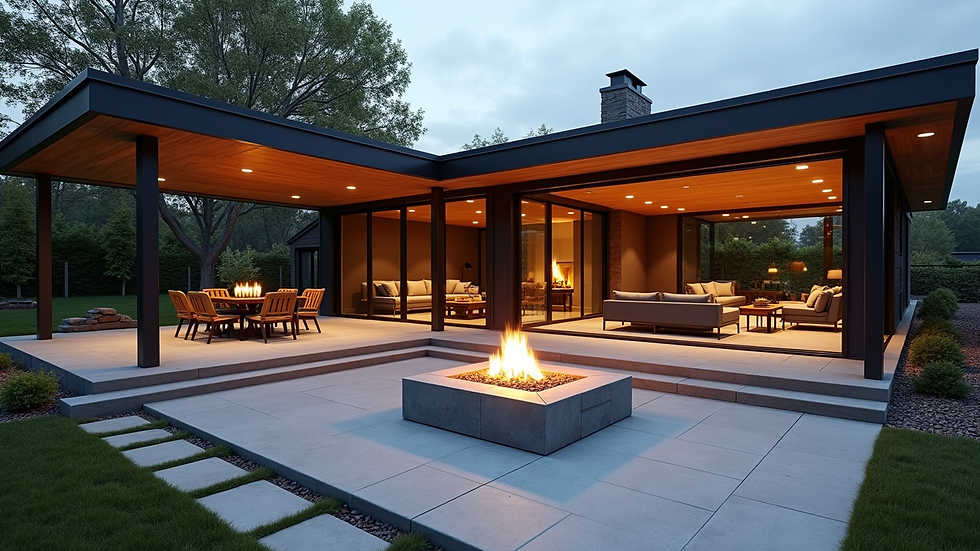
Virginia’s temperate climate encourages outdoor living. Custom homes now feature expansive, functional outdoor areas that extend the living space.
Covered patios and porches: Provide shade and shelter for year-round use.
Outdoor kitchens and dining: Equipped with grills, sinks, and refrigeration.
Fire pits and fireplaces: Create cozy gathering spots.
Landscaped gardens and water features: Add tranquility and curb appeal.
Seamless indoor-outdoor flow: Large sliding or folding doors connect interiors to patios.
These elements increase property value and enhance lifestyle quality. Builders should design outdoor spaces with durable, weather-resistant materials and consider privacy and noise control.
Technology and Smart Home Features
Technology integration is a defining feature of modern custom homes. Virginia homeowners expect smart systems that improve security, comfort, and energy management.
Home automation hubs: Centralized control for lighting, HVAC, and entertainment.
Security systems: Cameras, motion sensors, and smart locks accessible remotely.
Energy monitoring: Track consumption and optimize usage.
Voice control: Alexa, Google Home, and other assistants streamline daily tasks.
High-speed connectivity: Wired and wireless networks support remote work and streaming.
Builders must plan wiring and infrastructure early to accommodate these systems. Offering smart home packages can differentiate projects in a competitive market.
Customization and Personalization Remain Key
No two custom homes are alike. Clients want homes that reflect their personalities and lifestyles. This trend drives demand for bespoke features and finishes.
Unique architectural details: Custom moldings, built-ins, and staircases.
Tailored floor plans: Rooms sized and positioned for specific uses.
Specialty rooms: Wine cellars, home theaters, or art studios.
High-end materials: Marble countertops, hardwood floors, and designer fixtures.
Color and texture choices: Personalized palettes and finishes.
Builders and developers should maintain flexibility and clear communication throughout the design and drafting process. This ensures the final product meets or exceeds expectations.
Why Accurate Drafting Matters in Virginia’s Market
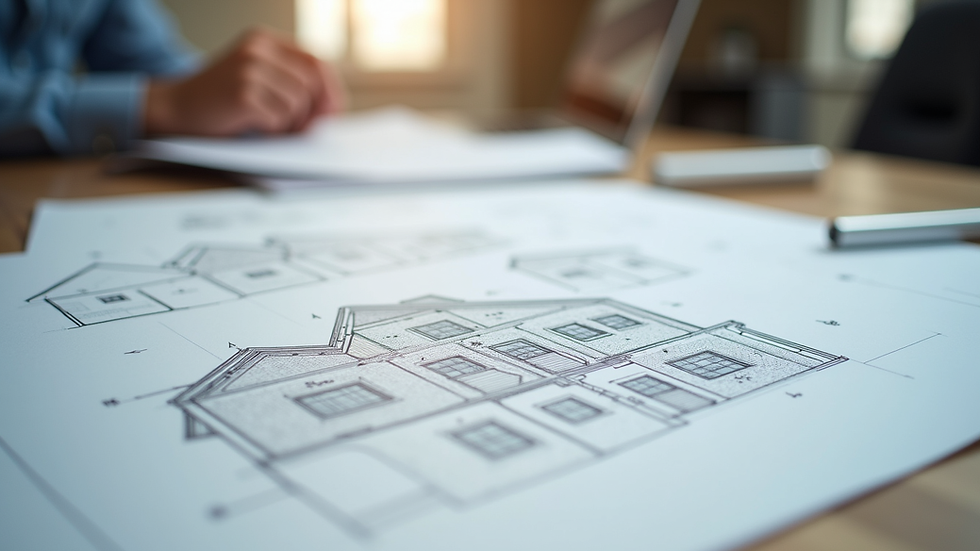
Precision in drafting is critical. It ensures smooth permitting, accurate construction, and cost control. High-end projects demand detailed, buildable documentation.
Slate Drafting specializes in permit-ready construction drawings tailored for Virginia’s codes and standards. Their expertise supports builders and developers by reducing delays and errors. Investing in professional drafting services pays off in efficiency and client satisfaction.
Staying current with custom home trends in Virginia is essential for success. These trends reflect evolving tastes, technologies, and environmental priorities. Builders and developers who embrace them position themselves as leaders in the high-end residential market.
By focusing on sustainability, modern interiors, outdoor living, smart technology, and customization, you can deliver homes that stand out. Partnering with expert drafting studios like Slate Drafting ensures your vision translates into precise, buildable plans.
The future of custom home building in Virginia is bright. It demands innovation, quality, and attention to detail. Meeting these expectations will secure your reputation and growth in this competitive industry.


Comments