%20(1)_result.webp)
Virginia Home Design Essentials: Guide to Virginia Residential House Plans

When working on residential projects in Virginia, understanding the local requirements and design preferences is crucial. As a draftsman, I focus on creating precise, permit-ready construction drawings that builders and developers can rely on. This guide breaks down the essentials of Virginia residential house plans, helping you navigate the drafting process with confidence and clarity.
Understanding Virginia Home Design Essentials
Virginia’s climate, zoning laws, and architectural traditions shape the way homes are designed and built. Drafting residential plans here means accounting for these factors from the start. For example, the state’s humid subtropical climate demands careful attention to ventilation and insulation in the drawings.
Local building codes require specific details on foundation types, roof pitches, and energy efficiency standards. I ensure every plan includes these elements clearly, so builders avoid costly revisions during permitting.
In addition, Virginia’s diverse regions—from coastal areas to mountainous zones—call for adaptable designs. A plan suitable for Northern Virginia might not work well in the Tidewater region. As a draftsman, I tailor drawings to reflect these regional differences, ensuring structural integrity and compliance.
Key Components of Virginia Residential House Plans
A comprehensive residential house plan in Virginia includes several critical components. Each must be detailed and accurate to meet permitting requirements and support smooth construction.
Site Plan: Shows the home’s location on the lot, including setbacks, easements, and topography. This is essential for zoning compliance.
Floor Plans: Depict room layouts, dimensions, door and window placements, and fixed appliances. Clear floor plans help builders understand spatial relationships.
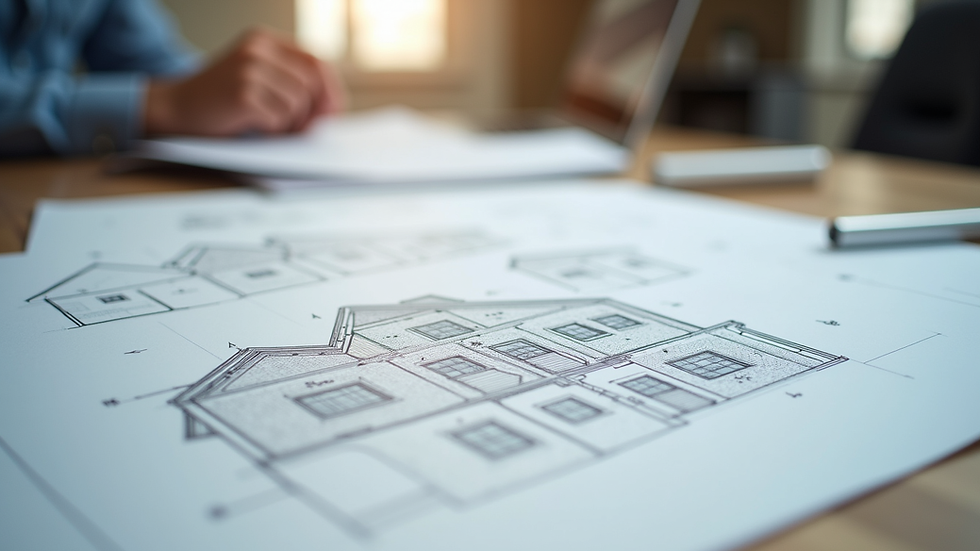
Elevations: Exterior views from all sides, illustrating materials, rooflines, and architectural features. Elevations ensure the design fits local style and code.
Foundation Plan: Details footings, slab thickness, and reinforcement. Virginia’s soil conditions often require specific foundation solutions.
Framing Plans: Outline structural elements like beams, joists, and rafters. These plans are vital for structural integrity and inspections.
Mechanical, Electrical, and Plumbing (MEP) Plans: Show HVAC layouts, electrical circuits, and plumbing routes. These must align with Virginia’s energy codes and safety standards.
Each component must be coordinated to avoid conflicts during construction. As a draftsman, I use precise CAD tools to integrate these elements seamlessly.
Navigating Permitting and Code Compliance
Virginia enforces strict building codes that vary by locality. Understanding these codes is a key part of drafting effective residential plans. For example, the Virginia Uniform Statewide Building Code (VUSBC) sets minimum standards for safety, energy efficiency, and accessibility.
When preparing plans, I verify:
Setback requirements: Minimum distances from property lines.
Height restrictions: Limits on building height based on zoning.
Energy efficiency: Compliance with the Virginia Energy Conservation Code.
Fire safety: Proper placement of smoke detectors, fire-rated walls, and egress windows.
Submitting permit-ready plans means including all necessary details and documentation. This reduces back-and-forth with local building departments and accelerates approval.
For those seeking detailed and accurate virginia residential house plans, working with a draftsman who understands these nuances is essential.

Practical Tips for Drafting High-End Residential Plans
High-end residential projects demand precision and attention to detail. Here are some practical tips I follow to ensure quality and buildability:
Start with accurate site measurements: Verify lot dimensions and topography before drafting.
Use clear, standardized symbols and annotations: This avoids confusion during construction.
Coordinate with engineers and consultants early: Structural, mechanical, and electrical inputs must align.
Incorporate client preferences without compromising code: Balance aesthetics with functionality and compliance.
Review plans thoroughly before submission: Check for dimension errors, missing details, and code adherence.
Provide multiple plan sets: Include separate sets for framing, MEP, and finishes to streamline contractor workflows.
These steps reduce errors and delays, saving time and money for builders and developers.
The Role of a Draftsman in Virginia Residential Projects
As a draftsman, my role is to translate architectural concepts into detailed, buildable drawings. I do not provide architectural design or licensed architectural services. Instead, I focus on:
Producing precise construction documents.
Ensuring plans meet local codes and permit requirements.
Collaborating with architects, engineers, and builders.
Updating plans based on client or regulatory feedback.
This specialization allows me to deliver high-quality, permit-ready plans that support smooth project execution. Builders and developers benefit from clear, accurate documentation that minimizes surprises on site.
Maximizing Efficiency with Digital Drafting Tools
Modern drafting relies heavily on digital tools like AutoCAD and Revit. These platforms enable me to:
Create detailed 2D and 3D drawings.
Detect clashes between structural and MEP elements.
Generate material takeoffs and cost estimates.
Share files easily with clients and contractors.
Using these tools improves accuracy and speeds up revisions. It also allows for better visualization of the final product, helping clients and builders make informed decisions early.
Final Thoughts on Virginia Residential House Plans
Drafting residential house plans in Virginia requires a clear understanding of local codes, climate considerations, and client needs. By focusing on precision and compliance, I help builders and developers avoid costly delays and build homes that stand the test of time.
If you need detailed, permit-ready plans tailored to Virginia’s unique requirements, working with a dedicated draftsman is the best approach. My goal is to provide the most trusted drafting services in the state, supporting high-end residential projects with accurate, buildable documentation.
Investing in quality drafting upfront ensures your project moves smoothly from concept to completion.


Comments