Planning Modern House Design Plans
- Matthew R. Jones

- Sep 22
- 3 min read
Designing a modern home is an exciting journey that blends creativity, functionality, and compliance with building codes. Whether you are building a new residence, adding an extension, or developing an accessory dwelling unit (ADU), having clear and accurate architectural plans is essential. These plans serve as the blueprint for your vision, guiding contractors and ensuring a smooth construction process.
In this post, we will explore key aspects of planning modern house design, focusing on practical tips and insights that help you achieve a successful project. From understanding design principles to navigating permitting and drafting services, this guide offers valuable information for anyone involved in residential construction.
Understanding the Essentials of Modern House Design
Modern house design emphasizes simplicity, clean lines, and open spaces. It often incorporates large windows, natural materials, and a seamless connection between indoor and outdoor living areas. When planning your modern home, consider these foundational elements:
Functionality: Prioritize layouts that support your lifestyle. Open floor plans encourage social interaction and flexibility.
Natural Light: Maximize daylight with strategically placed windows and skylights.
Sustainability: Use energy-efficient materials and systems to reduce environmental impact.
Minimalism: Avoid clutter by focusing on essential features and streamlined aesthetics.
For example, a modern kitchen might feature sleek cabinetry, integrated appliances, and an island that doubles as a dining area. Bedrooms and living spaces should flow naturally, with minimal barriers to movement.

How to Approach Modern House Design with Drafting Services
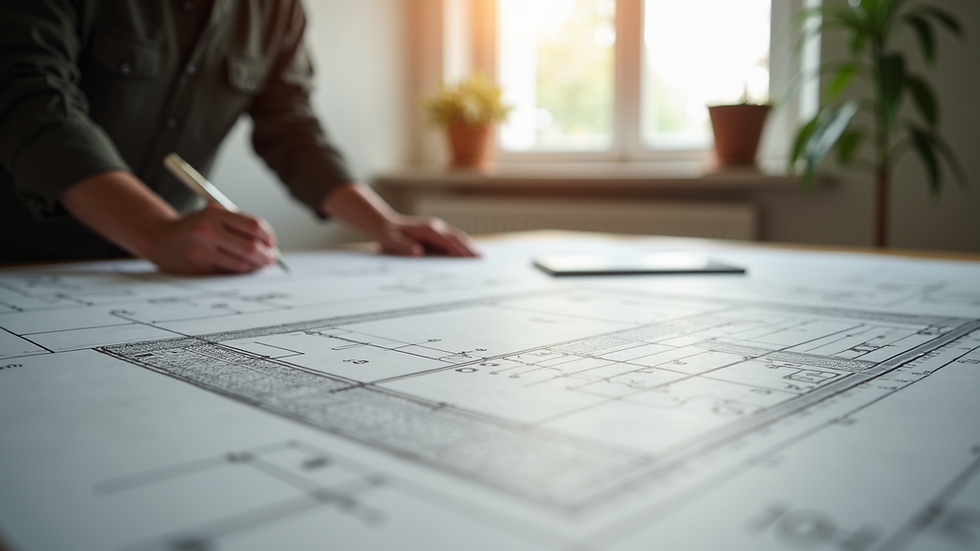
Accurate architectural drafting is the backbone of any successful construction project. Professional drafting services translate your ideas into detailed, code-compliant construction drawings. These drawings include floor plans, elevations, sections, and sometimes electrical layouts or cost estimates.
When working with a drafting studio, consider the following:
Customization: Ensure your plans reflect your unique needs and preferences.
Code Compliance: Verify that drawings meet local building codes and zoning regulations.
Speed and Communication: Choose a service that offers fast turnaround times and direct communication with drafters.
Additional Services: Look for options like electrical plans or construction cost estimates to streamline your project.
For instance, Slate Drafting specializes in residential projects, providing tailored plans for new builds, additions, and ADUs. Their expertise helps clients avoid common pitfalls and accelerates the permitting process.

Navigating Permitting and Regulatory Requirements
One of the most challenging aspects of residential construction is obtaining the necessary permits. Permitting ensures that your project complies with safety, zoning, and environmental standards. Here are some tips to simplify this process:
Research Local Codes: Building codes vary by city and county. Familiarize yourself with Richmond, VA’s specific requirements.
Submit Complete Plans: Incomplete or unclear drawings can delay approvals. Use professional drafting services to prepare comprehensive documents.
Engage Early with Authorities: Consult with city planning commissions or housing nonprofits to understand expectations.
Plan for Inspections: Schedule inspections at key construction stages to maintain compliance.
By addressing these steps early, you reduce the risk of costly delays and ensure your project stays on track.
Incorporating Flexibility and Future Growth
Modern homes should be designed with adaptability in mind. Life changes, and your home should accommodate evolving needs. Consider these strategies:
Multi-Use Spaces: Rooms that serve multiple functions, such as a guest room doubling as a home office.
Expandable Layouts: Design additions or ADUs that can be built later without major disruption.
Smart Home Integration: Plan wiring and infrastructure for future technology upgrades.
Sustainable Materials: Choose durable, low-maintenance materials that age well.
For example, an accessory dwelling unit can provide rental income or house family members, adding value and flexibility to your property.

Bringing Your Vision to Life with Slate Drafting
Turning your ideas into reality requires a partner who understands both design and construction. Slate Drafting offers high-quality, tailored architectural drafting solutions that help clients realize their visions while overcoming common real estate investment challenges.
Their services include:
Custom Residential Plans: New construction, additions, and ADUs.
Code-Compliant Drawings: Ensuring smooth permitting and inspections.
Fast Turnaround: Meeting tight project deadlines.
One-on-One Communication: Direct access to experienced drafters.
Optional Add-Ons: Electrical layouts and construction cost estimates.
By choosing a professional drafting service, you gain clarity, confidence, and efficiency throughout your project. To explore how Slate Drafting can assist you, check out their modern house design plans.
Planning a modern home is a rewarding process that combines creativity with technical precision. With the right approach and expert support, you can create a living space that is beautiful, functional, and built to last. Whether you are a homeowner, investor, or builder, investing in quality architectural drafting is a crucial step toward success.


Comments