%20(1)_result.webp)
Exploring Virginia Home Design Standards
- Matthew R. Jones

- Jan 5
- 3 min read
Building a custom home in Virginia demands a clear understanding of local standards. These standards ensure safety, durability, and aesthetic harmony with the region’s architectural character. I focus on delivering precise, permit-ready construction drawings that align with these requirements. This post breaks down key aspects of Virginia home design standards, offering practical insights for high-end residential builders, developers, and custom home clients.
Understanding Virginia Home Design Standards
Virginia’s home design standards cover zoning, building codes, energy efficiency, and architectural guidelines. These rules vary by county and municipality but share common goals: safety, sustainability, and community compatibility.
Builders must comply with the Virginia Uniform Statewide Building Code (VUSBC). This code sets minimum requirements for structural integrity, fire safety, plumbing, electrical systems, and accessibility. It also incorporates the International Residential Code (IRC) with Virginia-specific amendments.
Energy efficiency is another critical component. Virginia enforces the Virginia Energy Conservation Code, which mandates insulation levels, window performance, HVAC efficiency, and lighting standards. These measures reduce energy consumption and improve occupant comfort.
Architectural standards often reflect local historic preservation efforts or neighborhood covenants. These may dictate roof pitch, exterior materials, color palettes, and landscaping. Understanding these nuances early prevents costly redesigns and delays.

Navigating Permits and Inspections
Securing permits is a crucial step in any custom home project. Virginia requires builders to submit detailed construction drawings for review. These documents must demonstrate compliance with all applicable codes and standards.
I emphasize accuracy and clarity in drafting to streamline this process. Permit-ready drawings reduce back-and-forth with local authorities and speed up approvals.
Once construction begins, inspections occur at various stages: foundation, framing, electrical, plumbing, and final occupancy. Each inspection verifies adherence to approved plans and code requirements. Builders should schedule inspections proactively to avoid work stoppages.
Maintaining open communication with local building departments helps anticipate changes in regulations and inspection criteria. This proactive approach minimizes surprises and keeps projects on track.
How much does it cost to build a 2000 sq ft house in Virginia?
Cost estimates for a 2000 square foot custom home in Virginia vary widely based on location, materials, and design complexity. On average, expect to spend between $200,000 and $400,000.
Key cost drivers include:
Site preparation: Clearing, grading, and utility connections can add $10,000 to $30,000.
Foundation: Concrete slab or basement foundations range from $15,000 to $40,000.
Framing and exterior: Lumber, siding, roofing, and windows typically cost $50,000 to $100,000.
Interior finishes: Flooring, cabinetry, fixtures, and paint vary widely but often total $60,000 to $120,000.
Mechanical systems: HVAC, plumbing, and electrical installations usually run $20,000 to $40,000.
High-end custom features, such as smart home technology, luxury appliances, and custom millwork, increase costs further.
Accurate construction drawings help control costs by reducing change orders and ensuring efficient material use. Early budgeting aligned with virginia custom home standards supports realistic expectations and smoother project delivery.

Material Selection and Sustainability
Material choice impacts both aesthetics and long-term performance. Virginia’s climate demands durable materials that withstand humidity, temperature swings, and occasional severe weather.
Common exterior materials include brick, fiber cement siding, and natural wood. Brick offers excellent durability and low maintenance but costs more upfront. Fiber cement balances cost and resilience, resisting rot and insects. Wood provides warmth and character but requires regular upkeep.
Sustainability is increasingly important. Builders incorporate energy-efficient windows, recycled insulation, and low-VOC paints. Green building certifications like LEED or EarthCraft Virginia add value and appeal to eco-conscious buyers.
Slate Drafting supports sustainable design by providing detailed documentation for energy-efficient construction methods. Precise drawings ensure proper installation of insulation, air barriers, and ventilation systems.
Working with Drafting Professionals
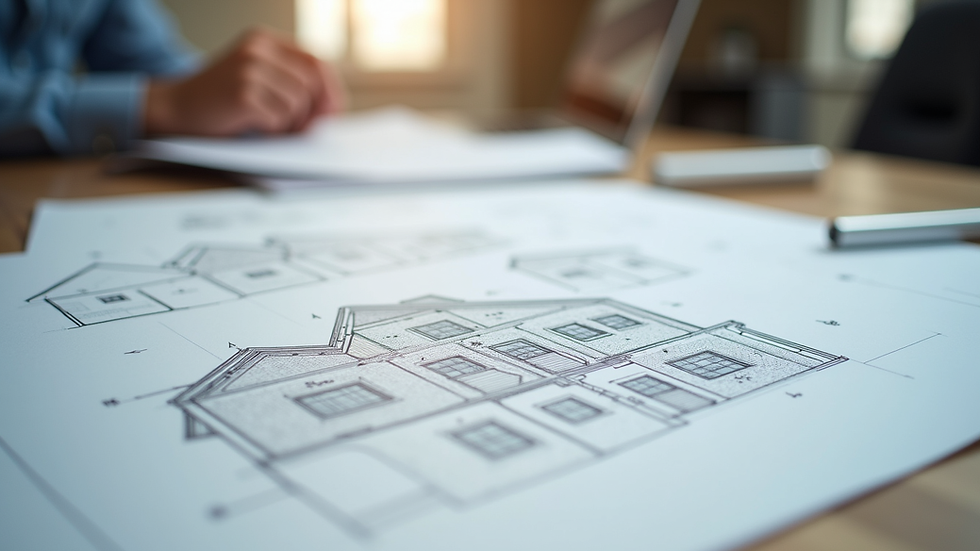
Accurate, buildable construction drawings are the backbone of any successful custom home project. I specialize in architectural drafting services tailored to Virginia’s regulatory environment.
My approach includes:
Detailed floor plans: Clear layouts that optimize space and flow.
Elevations and sections: Precise views that guide exterior finishes and structural elements.
Code compliance: Incorporation of all relevant building codes and energy standards.
Permit-ready documentation: Complete sets that facilitate smooth approval processes.
Collaborating with a drafting professional reduces errors and omissions. It also helps builders and developers visualize the final product and communicate effectively with subcontractors.
By focusing on drafting rather than architectural design, I complement architects and designers, ensuring their vision translates into practical, buildable plans.
Final Thoughts on Virginia Home Design Standards
Meeting Virginia’s home design standards requires attention to detail, thorough knowledge of codes, and clear communication. Custom home projects benefit from early planning, accurate drafting, and proactive permit management.
Builders and developers who invest in quality construction drawings reduce risks, control costs, and deliver homes that meet client expectations and regulatory demands.
For those seeking expert drafting support aligned with virginia custom home standards, partnering with a specialized drafting studio like Slate Drafting ensures precision and professionalism throughout the build process.


Comments