%20(1)_result.webp)
Creating Online Home Design Strategies for Custom Homes

When it comes to drafting custom home plans, precision and clarity are non-negotiable. As a draftsman, I focus on translating client ideas into detailed, buildable drawings. The rise of digital tools has transformed how we approach home design. Today, creating online home design strategies is essential for delivering accurate, efficient, and client-friendly plans.
Understanding the Role of a Draftsman in Home Design
I am not an architect. My role is to provide technical drawings that builders and developers rely on to construct homes. This distinction matters because my work centers on the practical aspects of construction documentation. I take architectural concepts and turn them into permit-ready plans that meet local building codes and regulations.
Drafting requires a deep understanding of construction methods, materials, and site conditions. I ensure every line on a plan corresponds to a real-world element. This approach minimizes errors during construction and helps avoid costly delays.
Implementing Online Home Design Strategies
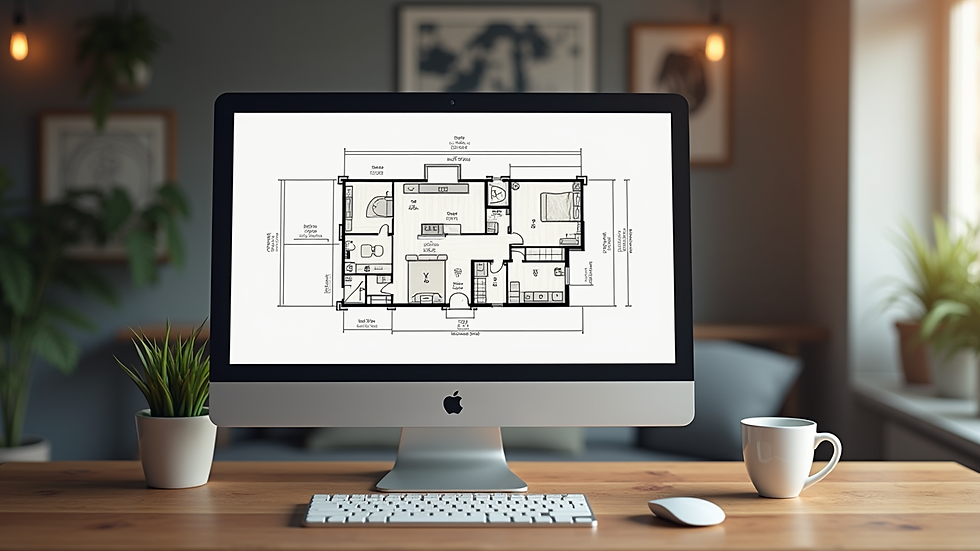
The shift to online platforms has streamlined the drafting process. Using cloud-based software and digital collaboration tools, I can work closely with clients and builders regardless of location. This flexibility speeds up revisions and approvals.
Here are some key strategies I use:
Digital Drafting Software: I rely on CAD programs tailored for residential drafting. These tools allow me to create precise floor plans, elevations, and sections.
Cloud Collaboration: Sharing files through secure cloud services enables real-time feedback. Clients and contractors can review plans and suggest changes without waiting for physical copies.
Version Control: Keeping track of revisions is critical. I maintain organized records of each plan iteration to ensure everyone works from the latest version.
3D Visualization: While I focus on 2D drafting, integrating 3D models helps clients visualize spatial relationships and design intent.
Navigating Local Building Codes and Permitting
One of the most important aspects of drafting is compliance with local building codes. In Virginia, regulations can vary by county and municipality. I stay updated on these requirements to produce plans that pass permit review without issues.
This involves:
Checking zoning restrictions and setbacks
Ensuring structural elements meet code standards
Including energy efficiency details as required
Preparing documentation for permit applications
By handling these details upfront, I reduce the risk of costly redesigns or permit delays.
Leveraging Technology for Accurate and Efficient Drafting
Technology is a draftsman’s best ally. I use a combination of hardware and software to enhance accuracy and speed:
High-Resolution Monitors: These allow me to see fine details clearly.
Digital Tablets and Styluses: For quick markups and annotations.
Automated Dimensioning Tools: These reduce manual errors in measurements.
Template Libraries: Predefined symbols and details speed up repetitive tasks.
These tools help me deliver high-quality, permit-ready drawings that builders can trust.

Benefits of Using Online Custom Home Design Plans
Using online custom home design plans offers several advantages for builders and clients:
Accessibility: Plans are available anytime, anywhere.
Faster Turnaround: Digital workflows reduce delays.
Improved Communication: Clear visuals and annotations enhance understanding.
Cost Savings: Early detection of design conflicts prevents expensive changes during construction.
For high-end residential projects, these benefits translate into smoother builds and better client satisfaction.
Final Thoughts on Effective Drafting Practices
Creating custom home plans online requires discipline, technical skill, and a clear understanding of construction realities. As a draftsman, my goal is to provide documentation that supports builders and developers in delivering quality homes on time and within budget.
By embracing online home design strategies, I ensure that every project benefits from precision, efficiency, and compliance. This approach positions my drafting studio as a trusted partner in Virginia’s residential construction market.


Comments